Understanding the Environmental Impact of Excavation May 30, 2026
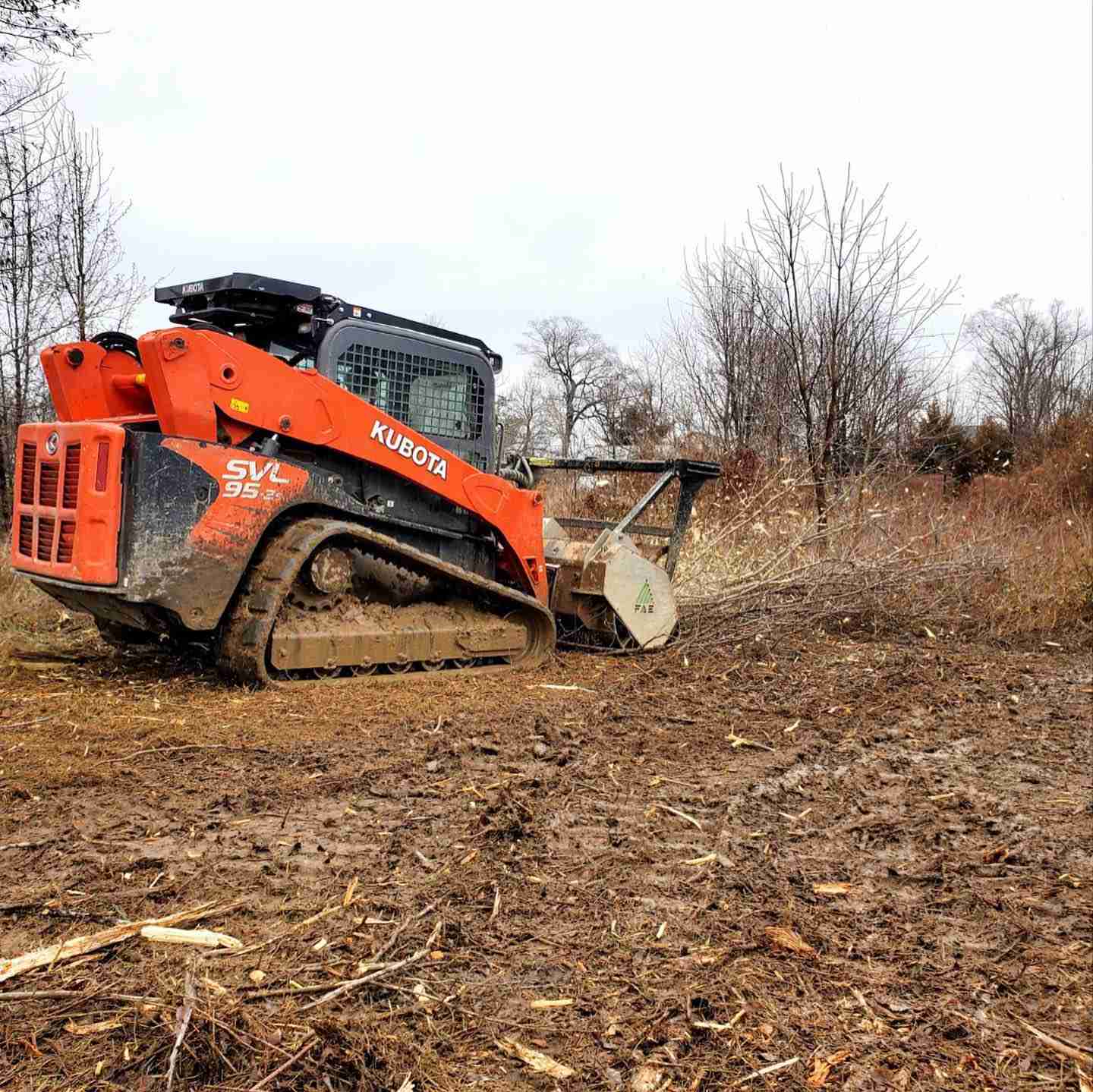
Excavation involves removing earth, rock, or other materials from a site, a process that can significantly alter the landscape. One immediate impact of excavation is the loss of vegetation. Plants play a crucial role in the ecosystem by producing oxygen, providing habitat, and preventing soil erosion. When large areas of vegetation are cleared, it can lead to habitat loss for wildlife and increase carbon emissions, contributing to climate change.
The disruption of soil is another significant environmental concern. Excavation can lead to soil erosion, where topsoil is washed away by water or blown away by wind, reducing the land's fertility and stability. Soil erosion can result in sedimentation in nearby waterways, impacting aquatic habitats and reducing water quality. For companies like A & A Land Management, it is vital to implement erosion control measures, such as silt fences, and barriers, to minimize this impact.
Water table disruption is also a crucial consideration. Excavation can impact groundwater levels, either by redirecting natural water flows or exposing aquifers to contamination. This can affect local water wells and the broader ecosystem dependent on that groundwater. Monitoring and managing drainage and water flow can minimize these effects and protect this vital resource.
Noise pollution is an often overlooked environmental impact of excavation. The heavy machinery used in excavation processes can contribute to noise pollution, affecting local communities and wildlife. Prolonged exposure to loud noises can disturb natural behaviors in wildlife and lead to health issues in humans. Implementing noise-reducing strategies, such as maintaining equipment and restricting operation hours, can significantly reduce these negative effects.
A lesser-known impact involves the potential relocation of contaminated soil. During excavation, previously buried contaminants can surface, posing risks to both the environment and public health. It's essential to conduct thorough site assessments to identify these contaminants and handle them according to environmental regulations.
At A & A Land Management, we believe that sustainable excavation practices are not just ethical but also essential for long-term success. By prioritizing sustainability, we can reduce environmental impacts while meeting our clients' needs. Here are some steps we take to ensure responsible excavation:
1. Site Assessment: Before beginning an excavation project, we conduct comprehensive site assessments to understand the existing ecological conditions and potential environmental impacts.
2. Minimizing Footprint: By using precision excavation techniques, we minimize land disturbance, preserving as much of the natural environment as possible.
3. Erosion Control: We implement control measures to prevent soil erosion and sediment runoff, protecting local waterways and biodiversity.
4. Equipment Maintenance: By keeping our machinery in optimal condition, we reduce emissions and noise pollution, contributing to a healthier environment as we work.
5. Waste Management: Proper management of waste materials ensures that we reduce the risk of contaminating the environment and adhere to local regulations.
In conclusion, while excavation is an essential component of modern construction and land management, it's crucial to be aware of and mitigate its environmental impacts. At A & A Land Management, our commitment to sustainable practices ensures that we deliver high-quality excavation services with minimal environmental impact. By understanding and addressing these challenges, we protect our planet for future generations while continuing to meet the needs of our clients.
/filters:no_upscale()/filters:format(webp)/media/ca0aa0d3-eaf7-4504-943c-6b4c5ec4b099.jpeg)
/filters:no_upscale()/filters:format(webp)/media/38b599b8-c707-4401-b291-34fc699ea5e5.jpeg)