Safeguarding Spaces: Best Practices in Land Preparation and Excavation Jun 02, 2026
The initial stage involves thorough site assessment and planning. Site assessment is more than just surveying the land; it's about understanding the topography, soil composition, water drainage patterns, and any potential obstructions or unique geographical features. For A & A Land Management, this means utilizing advanced technology such as GIS mapping and soil testing, ensuring that every inch of the project is accounted for before a single piece of machinery touches the ground.
Once the planning is complete, the focus shifts to implementing effective erosion and sediment control measures. These are critical in minimizing environmental impact, maintaining compliance with environmental regulations, and protecting local habitats. By using silt fences, sediment traps, and proper grading techniques, A & A Land Management prevents sediment from affecting local waterways—a crucial practice particularly important in areas prone to heavy rainfall or proximity to sensitive ecological zones.
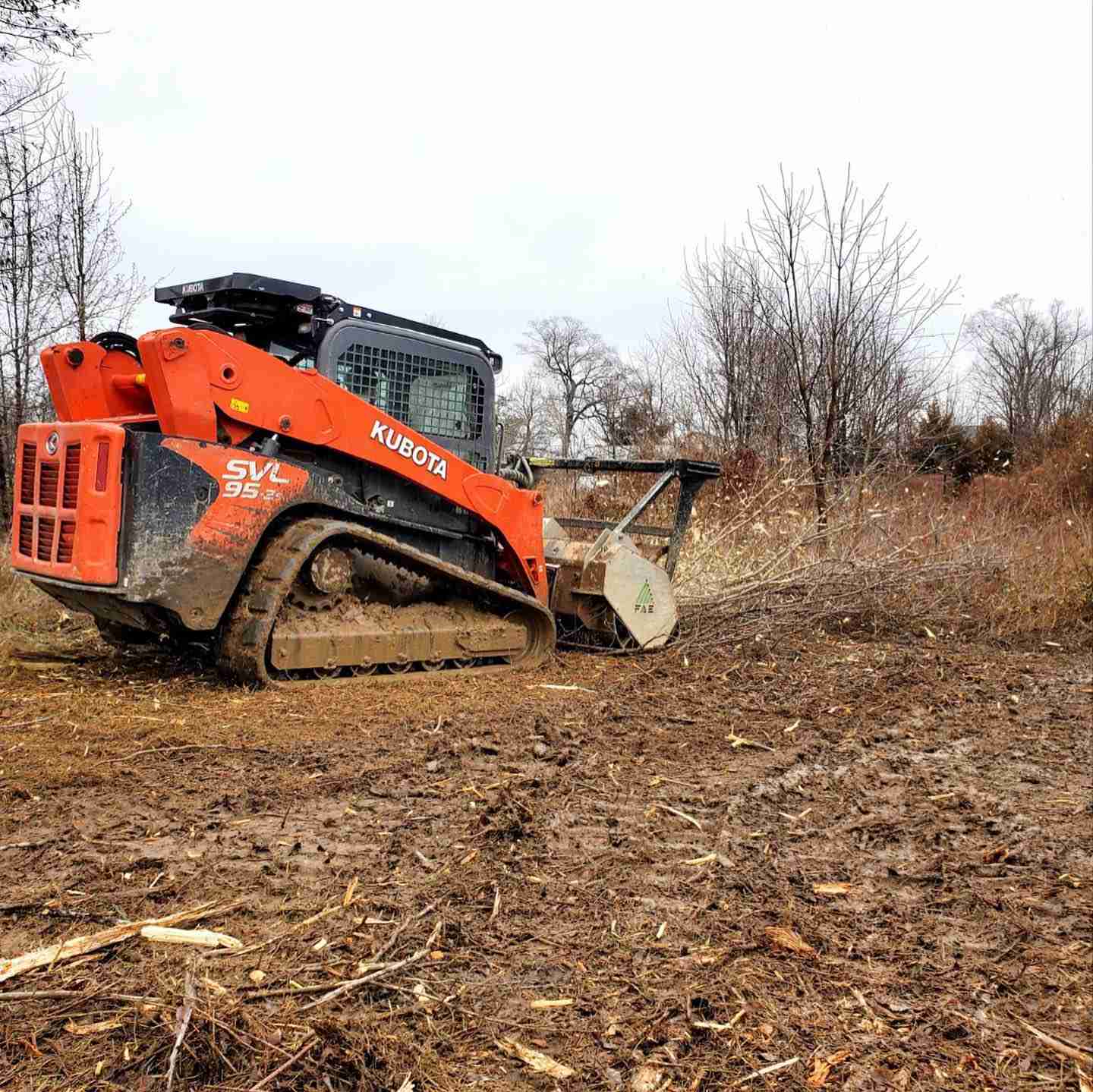
Another pillar of best practices in excavation is equipment management and on-site safety. The right machinery must not only be available but also regularly maintained and tested for efficiency and safety standards. At A & A Land Management, equipment such as excavators, bulldozers, and loaders undergo rigorous maintenance checks to prevent any technical failures that could jeopardize safety. Furthermore, operators are trained comprehensively to handle equipment efficiently and spot potential hazards before they escalate.
Communication and coordination on-site are vital. Every team member should be aligned with the project goals and processes, and understand their specific roles. Effective communication minimizes human error and maximizes productivity. Regular team meetings, clear labeling of hazard zones, and an easily navigable site plan are essential tools in keeping everyone informed and safe. A & A Land Management views open communication as a linchpin in managing successful land preparation projects and ensuring accidents are avoided.
When unexpected challenges arise, having a well-structured contingency plan can make a significant difference. These plans should address potential emergencies like equipment breakdowns, severe weather conditions, or unexpected ground conditions. A & A Land Management develops detailed contingency strategies specific to each project to ensure that work can continue smoothly with minimum disruptions.
Concluding any excavation project involves careful inspection and cleanup. Final inspections are critical to ensure that land preparation meets all project specifications and complies with regulatory requirements. A & A Land Management takes pride in leaving every project site not only compliant but ready for the next phase of development.
In conclusion, mastering the art of safeguarding spaces during excavation and land preparation involves planning, environmental consideration, equipment management, proactive communication, and contingency readiness. A & A Land Management's commitment to implementing these best practices ensures that every project progresses smoothly, safely, and sustainably, providing peace of mind to clients and contributing to the responsible development of our communities.
/filters:no_upscale()/filters:format(webp)/media/ca0aa0d3-eaf7-4504-943c-6b4c5ec4b099.jpeg)
/filters:no_upscale()/filters:format(webp)/media/38b599b8-c707-4401-b291-34fc699ea5e5.jpeg)